
DIY Offroad Modifications: When to Tackle It Yourself and When to Seek Professional Help
Understanding DIY Offroad Modifications
Offroading offers an exhilarating way to explore the great outdoors, and many enthusiasts enjoy customizing their vehicles for optimal performance. DIY offroad modifications can be a rewarding hobby, allowing you to tailor your vehicle to your specific needs. However, understanding when to tackle these projects yourself and when to seek professional assistance is crucial.
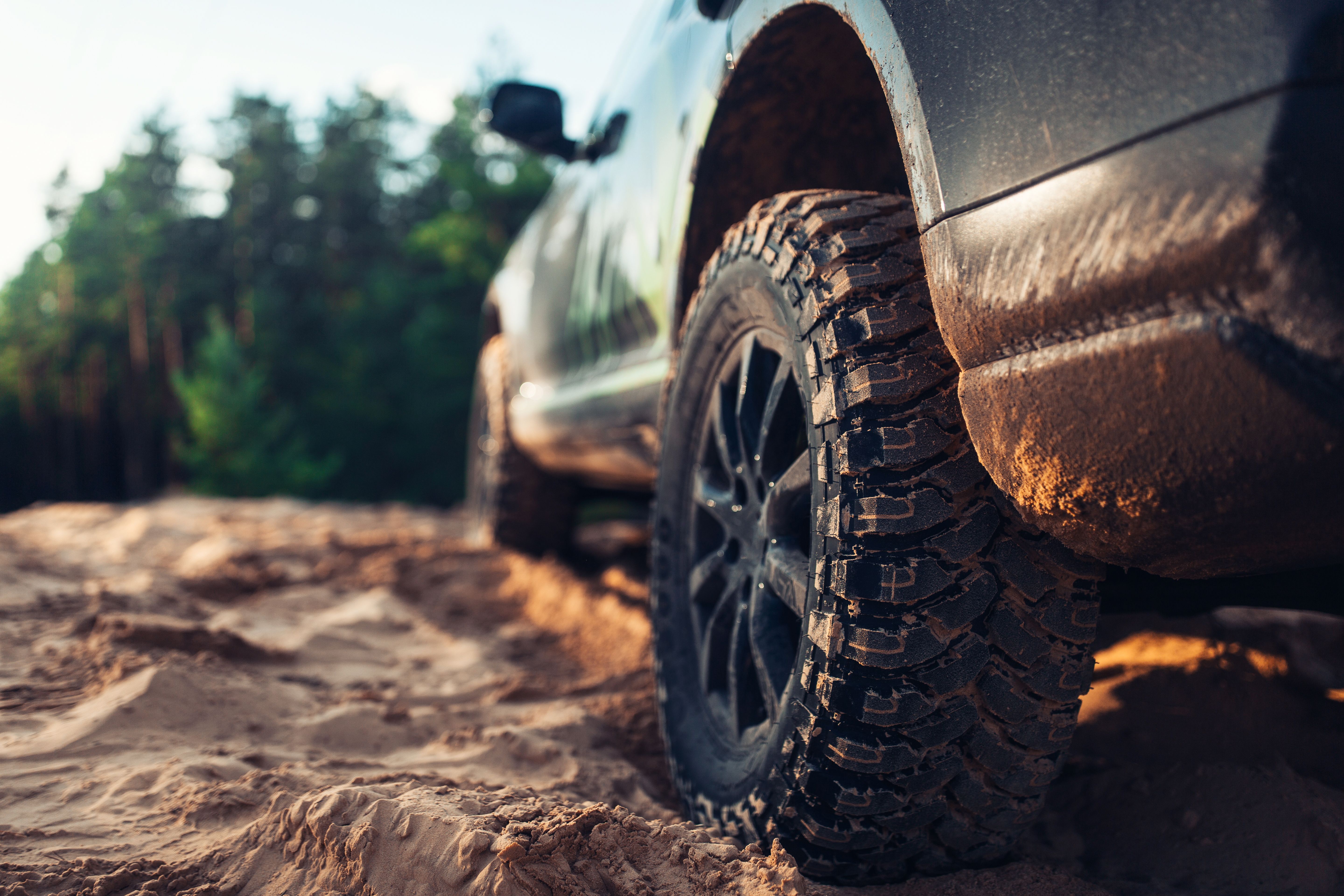
Benefits of DIY Offroad Modifications
Engaging in DIY modifications can be both cost-effective and educational. By taking on projects yourself, you can save on labor costs and gain a deeper understanding of your vehicle’s mechanics. This knowledge can be invaluable for troubleshooting issues on the trail.
Additionally, DIY projects allow for a personalized touch, ensuring that your vehicle reflects your unique style and requirements. Whether it's enhancing suspension systems or installing new tires, the satisfaction of completing a project yourself is unparalleled.
Common DIY Projects
Some offroad modifications are well-suited for DIY enthusiasts. These typically include:
- Installing skid plates: Protects your vehicle's undercarriage from rough terrain.
- Upgrading lighting systems: Improves visibility and safety during nighttime adventures.
- Adding roof racks: Increases storage capacity for long trips.
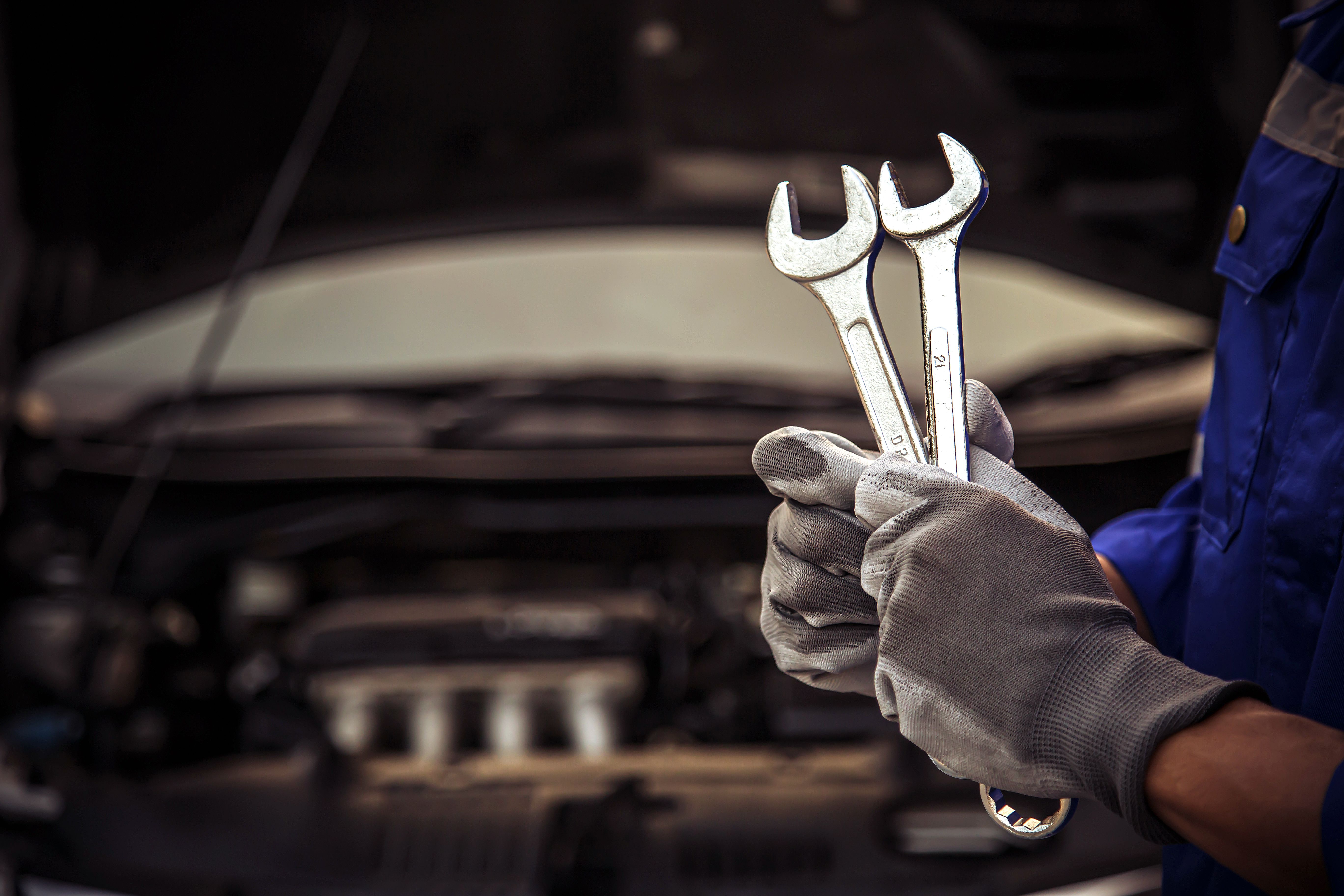
Recognizing When to Seek Professional Help
While many modifications can be done at home, certain projects require professional expertise. Attempting complex modifications without the necessary skills can lead to safety hazards and costly repairs.
Advanced Modifications
Projects that involve significant changes to your vehicle's structure or systems should be handled by professionals. These include:
- Lifting the suspension: Ensures proper alignment and balance, affecting vehicle stability.
- Re-gearing differentials: Requires precise calibration to maintain performance and fuel efficiency.
- Engine performance upgrades: Involves sophisticated tuning and potential warranty implications.

Evaluating Your Skills and Tools
Before starting a DIY project, assess your mechanical skills and the tools at your disposal. A well-equipped garage with the right tools is essential for any modification. If you're unsure about your ability to complete a project safely, it may be best to consult a professional.
Remember, even experienced DIYers occasionally seek professional guidance. Collaboration can ensure that your vehicle is both safe and trail-ready.
Conclusion
DIY offroad modifications can enhance your vehicle's performance and reflect your personal style. However, it’s important to know your limits and seek professional help when necessary. By balancing DIY projects with professional expertise, you can enjoy a safe and customized offroading experience.