
DIY Offroad Fabrication: Tips and Tricks from the Experts
Embarking on a DIY offroad fabrication project can be both exciting and challenging. Whether you're a seasoned fabricator or a beginner eager to learn, having a grasp of essential tips and tricks can make all the difference. Here's a guide inspired by expert insights to help you navigate your offroad adventures.
Understanding the Basics of Offroad Fabrication
Before diving into the fabrication process, it's crucial to understand the basic principles of offroad vehicle design. Offroad vehicles are meant to withstand rough terrains, which means they require sturdy construction and precise engineering. Familiarize yourself with the key components like suspension, chassis, and drivetrain to ensure you're building a robust vehicle.

Materials Matter
The choice of materials can significantly influence the durability and performance of your offroad vehicle. Experts recommend using high-strength steel and aluminum alloys for the chassis and other structural components. These materials offer a good balance between weight and strength, crucial for navigating tough terrains.
Essential Tools for DIY Fabrication
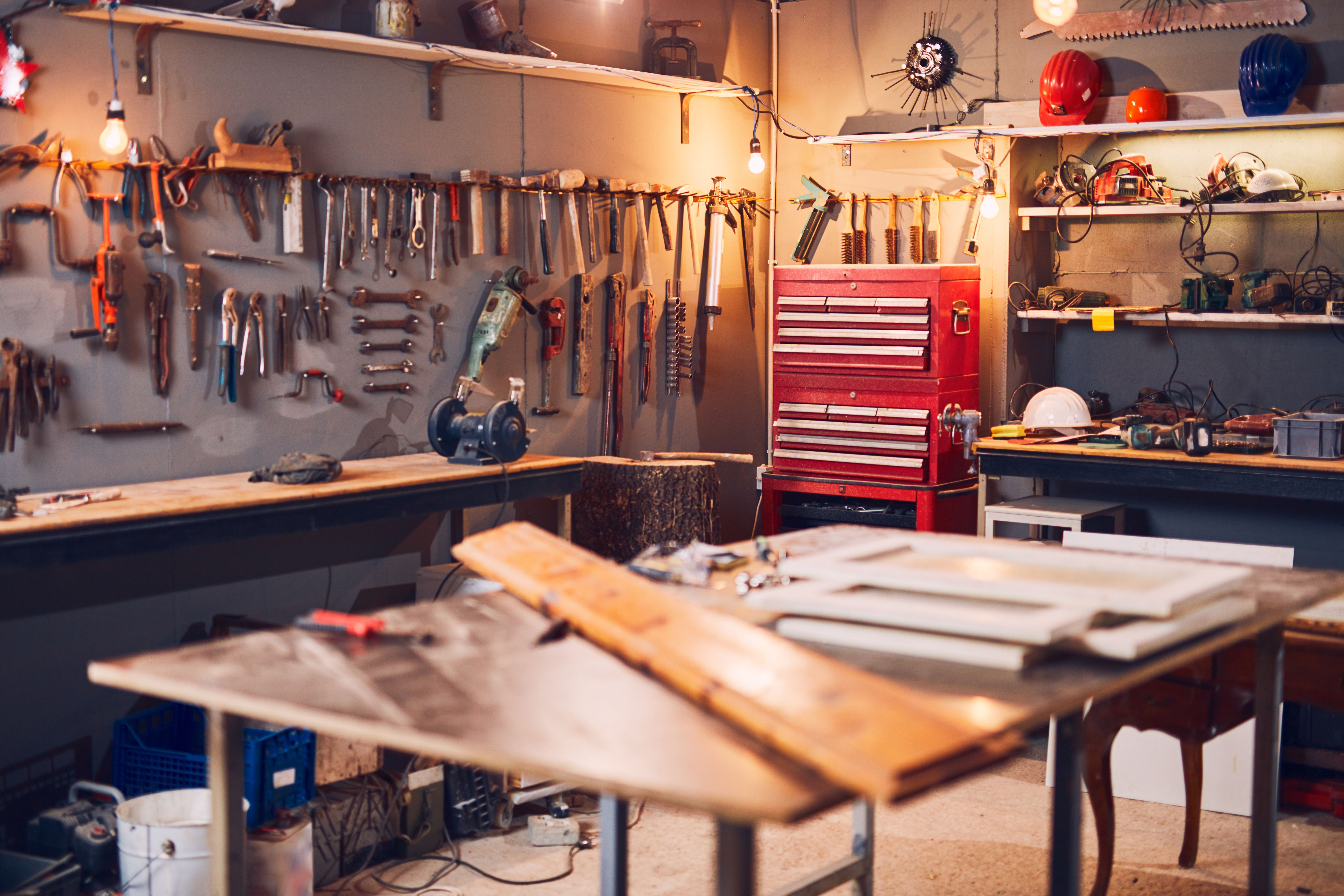
Having the right tools can make your fabrication project smoother and more efficient. Invest in quality welding equipment, grinders, and metal cutting tools. A well-equipped workshop can save you time and prevent unnecessary frustration. Remember, precision is key, so consider tools that offer accuracy and ease of use.
Safety First
Safety should always be a top priority during any fabrication project. Wear appropriate protective gear such as gloves, goggles, and welding masks. Ensure your workspace is well-ventilated and free of hazards. Taking these precautions will not only protect you but also ensure the integrity of your build.
Design Tips from the Pros
When designing your offroad vehicle, simplicity and functionality should guide your decisions. Experts suggest starting with a basic design and gradually incorporating more complex features. This approach allows for easier modifications and troubleshooting. Additionally, consider the vehicle's intended use and terrain to tailor your design accordingly.

Testing and Iteration
Once your vehicle is assembled, rigorous testing is essential. Test the vehicle in various conditions to identify any weaknesses or areas for improvement. Be prepared to iterate on your design, making necessary adjustments to enhance performance and reliability. This iterative process is key to achieving a successful build.
Final Thoughts
DIY offroad fabrication is a rewarding endeavor that combines creativity with engineering. By following these expert tips and tricks, you'll be well on your way to building a vehicle that's both functional and fun. Remember, the journey is as important as the destination, so enjoy the process and embrace the challenges along the way.